
The #1 reason postmenopausal women break a bone is due to a fall. Women can take many measures to help protect their bones. Osteoporosis increases the risk of breaking a bone when falling.
Postmenopausal women are vulnerable to falls
Some reasons women fall
- Arthritis
- Trouble walking
- Low bone mass
- Visual problems
- Balance difficulties
- Lack of core strength
- Loss of muscle mass
In an older living community, 1 in 3 people fell during a year, and women were more likely to fall than men. Among seniors, 1 in 20 falls results in a broken bone, and this rate doubles after the age of 75. Therefore, fall prevention is of the utmost importance!
Osteoporosis increases the risk of breaking a bone
Even though it’s not the #1 reason women break a bone, osteoporosis increases the risk of a fracture when they fall. Seven out of ten postmenopausal women have either osteopenia (low bone mass) or osteoporosis (a more severe drop in bone mass).
Estrogen loss, specifically the loss of estradiol, beginning with perimenopause, is a major cause of osteoporosis. Estradiol not only protects bones but helps your bones retain calcium. Other causes of osteoporosis include decreased physical activity, suboptimal nutrition, early menopause, smoking, excessive alcohol use, and certain medications.
Improving bone mass & preventing a fall
Regular movement
Keeping your balance with simple core exercises will help you prevent falling. One example is a tandem stance. We show you how to perform this and other bone-protecting exercises in our book, Eating for Better Bones.
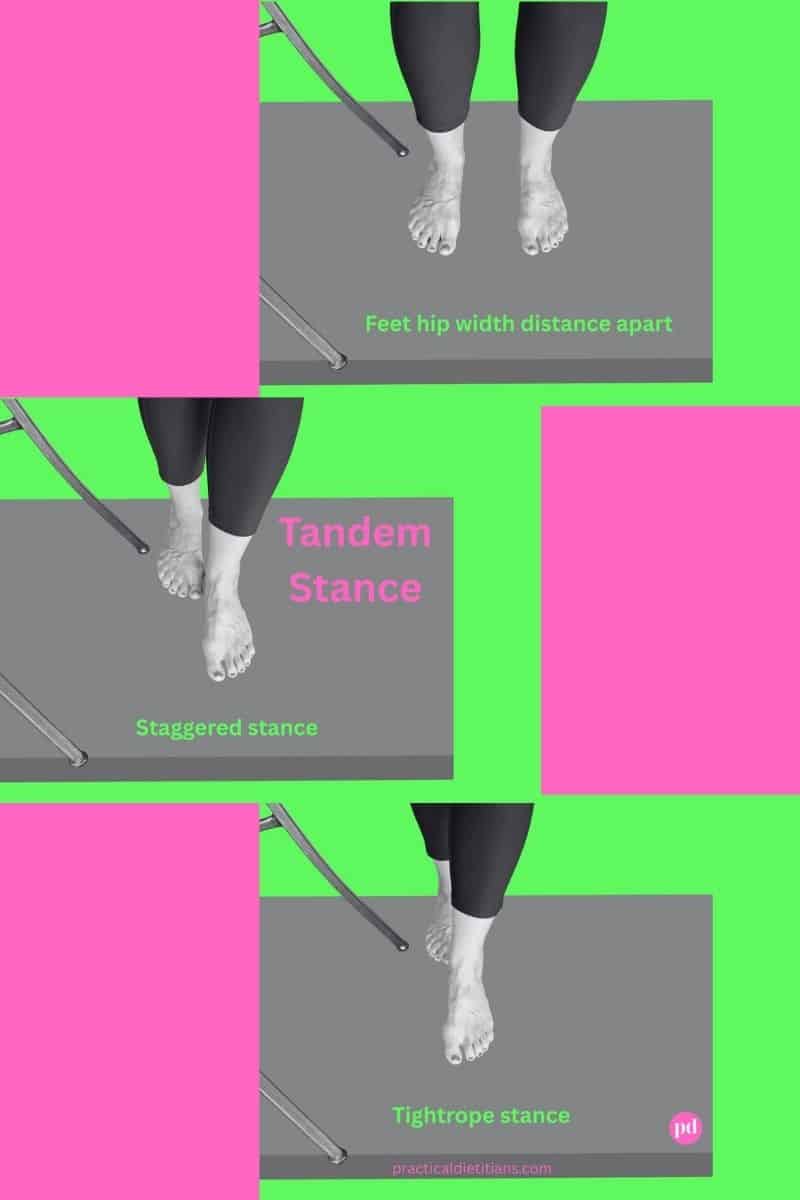
Infographic of Tandem Stance Exercise
Strength training works to build bones. It does so by applying forces to let your bones know they need to be denser to support your activities.
Combining strength with cardiorespiratory activities such as wearing a weighted vest while walking gives you the additional benefits of strength and balance.
With any change in your fitness routine, consult your healthcare provider beforehand and begin low and progress slowly.
Optimal nutrition
Small changes to your eating pattern can add up to big results for better bones. We go into detail in our book, Eating for Better Bones, available on Amazon. We also offer multiple blogs to guide you to better food choices.
Avoiding a broken bone
Keeping bones as strong as possible is one way to avoid a fracture. Falls are not inevitable with advancing age. Regular exercise with a variety of moves helps you maintain your balance. Eating well promotes bone strength, which helps you avoid a broken bone.

Stephanie Turkel is a registered dietitian nutritionist based in Texas. She has 30 plus years of experience in the nutrition field. She now takes her gained knowledge and shares it with you to explain science articles into easy-to-understand information.

Grace Rivers, RDN, CDCES
Grace is a registered dietitian nutritionist residing in Texas. She has over 30 years of experience in nutrition. Grace loves translating science articles into easy-to-understand information for you.