
The diagnosis of osteopenia (low bone mass) jolted me, making me want to know more. Fortunately, once I received my T-score results, I found my bones were in better shape than I had initially believed.
The T-score results showed the severity of the low bone mass, which was impacting my spine but not my femurs (thigh bones). A lesson I learned in this situation is to always get your results so you can compare them with the T-score chart.
After analyzing the results, I found my femurs and hips were in good shape. The issue was in my spine. I began to contemplate my lifestyle and what I could change. The report from my doctor indicated to be rechecked in 2 years.
My preventive lifestyle leading up to the bone scan
My exercise routine
I have walked for exercise as long as I can remember, since my childhood. Six months prior to my bone density scan, I experienced a meniscus tear in my right knee, which left me unable to walk for exercise and able to perform only minimal lower-body exercises.
Stephanie and I had heard about using a weighted vest and researched it. In addition, I checked with my physical therapist about it. She said it would be a good addition to my routine, but she wanted me to wait until I completed my physical therapy before using the vest.

While I was limited in my exercise, some of that was due to concern that I was doing more harm than good, because my knee hurt when I moved it a certain way. Getting into a child’s pose or sitting with my legs crossed on the floor (some call it crisscross applesauce) was painful.
It was likely that my muscle and bone mass declined.
Three months passed before my knee was treated. Eight weeks of physical therapy followed the treatment. The physical therapy exercises could have helped replenish some of the muscle and bone mass I lost. And I was able to return to my normal exercise routine. The bone scan was performed 1 month after physical therapy ended.
My eating pattern
As a dietitian nutritionist and having researched the best foods for bones, I realized I did include these foods in my plant-forward eating pattern. I was already including olive or canola oil for cooking. Poultry and fish regularly appeared on my plate, with meat sometimes.
Beans and lentils, along with whole grains such as bulgur, also contributed protein. Peanut butter, eggs, cheese, and yogurt were frequently eaten. Water and milk (dairy or soymilk) were frequent beverages.
And, of course, vegetables and fruits appeared several times a day. I savored my mid-day 12-ounce Diet Coke. My milk intake was far more plentiful.
Supplement use
I have long struggled to keep vitamin D in a healthy range, so I took a daily supplement. Even though I eat fruits, vegetables, and nuts, my magnesium level was in a much healthier range when I took a supplement.
My supplement of choice was and continues to be Nature Made due to its USP seal to be sure that I’m getting what the label shows.
Overall, I was pleased with my results, except for my spine reading, which put me in the low bone mass (osteopenia) range. Even though it was barely within the range, I knew I needed to strengthen my spine and keep it in the healthy range.
Moves going forward
Exercise was one of my doctor’s recommendations. Since I already lift weights, as my shoulder can tolerate, I added a weighted vest during my morning work time, which is typically around 3 hours.
I began wearing the vest with 4 pounds and increased that to 6 pounds. When I feel ready, I’ll increase it again to 8 pounds, but for now, I’m holding tight at six. Of course, I continue to walk frequently during the week and practice mat Pilates once or twice a week.
Nutrition going forward
I took a close look at what I was eating to ensure there was optimal intake of protein, vitamin D, potassium, magnesium, and calcium.
Being a pretty good milk drinker, all five of these nutrients were plentiful. As I reviewed what I was eating, I found it to be a healthy intake; I am continuing the same way of eating.
My supplement intake will also remain the same.
Conclusion
Know your individual T-score results from your bone density test to learn exactly where you are for your thigh bones and spine, not just the overall diagnosis. Learning the severity of your results will help you know what you’re working to improve or maintain.
Note when your physician would like your bone density rechecked.
Take a look at your exercise habits and at some simple moves that can improve your balance and bone density. You can incorporate moves such as walking and wearing a weighted vest.
If that doesn’t work for you, try something different. Always consult your physician before beginning or changing any exercise.
Look at what you are eating and ask yourself if there’s a food you should start eating (or one you should stop eating that isn’t helping your bone density).
Do you include plenty of fruit and vegetables? And what about lean protein – animal and plant?
Do you have trouble consuming enough calcium or keeping vitamin D in a good range? If so, consult your doctor about taking a supplement.
We share how to get the nutrients and moves you need in our book, Eating for Better Bones.
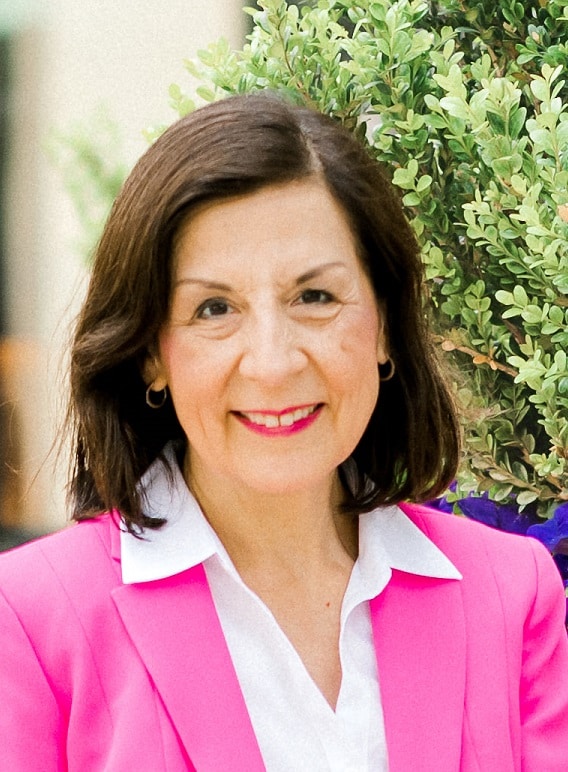
Grace Rivers, RDN, CDCES
Grace is a registered dietitian nutritionist residing in Texas. She has over 30 years of experience in nutrition. Grace loves translating science articles into easy-to-understand information for you.