
Your bones are unbending, providing stiffness that keeps you upright and resistant to gravity’s downward pull. Together with your muscles, your bones provide structure and support to help sustain your posture.
Moving your body
Muscles attach to your bones and pull on them as needed, allowing you to perform daily activities such as brushing your teeth, getting dressed, exercising, and more.
Bones are storehouses
Your bones store minerals, such as calcium, magnesium, and phosphorus, which are readily available to be released into the blood as needed. The bones also house marrow, which is where new blood cells are produced.
Bones store minerals, which help support essential chemical reactions that occur regularly. One of those is calcium, and a constant blood level is a high priority for your body. Survival depends on it.
If there is not enough incoming calcium from your food sources, such as broccoli, or supplements, your blood will get it from your bones. This mineral is necessary for muscle contraction. This is why your body regulates the level of calcium in your blood so tightly.
Blood provides calcium to your muscles as needed. When you flex your biceps, calcium is used to move your arm. When your heart beats, calcium is used to contract the heart muscles. Without enough calcium, your heart will stop!
The denseness of bones
The hardness of your bones serves as protection for your brain, heart, lungs, and upper digestive organs. Even though they are hard, as the average woman approaches and passes through menopause, her bones become weakened, porous, and fragile.
As women approach the age of 50, at the start of the menopause transition, they can lose up to 5% of bone density each year! After 5-7 years, the average annual rate of loss slows to 1%.
More than 50% of women, 50 and older, have low bone mass (osteopenia), the predecessor to osteoporosis. An additional 20% of women in this age group have osteoporosis.
Keeping your bones dense
You can maintain or improve your bone density to help your bones continue to work for you, supporting your independence throughout your life. We share lifestyle strategies as well as information on supplements or medications your doctor may prescribe to help you fight osteoporosis in our book, Eating for Better Bones.
Bone health is our business
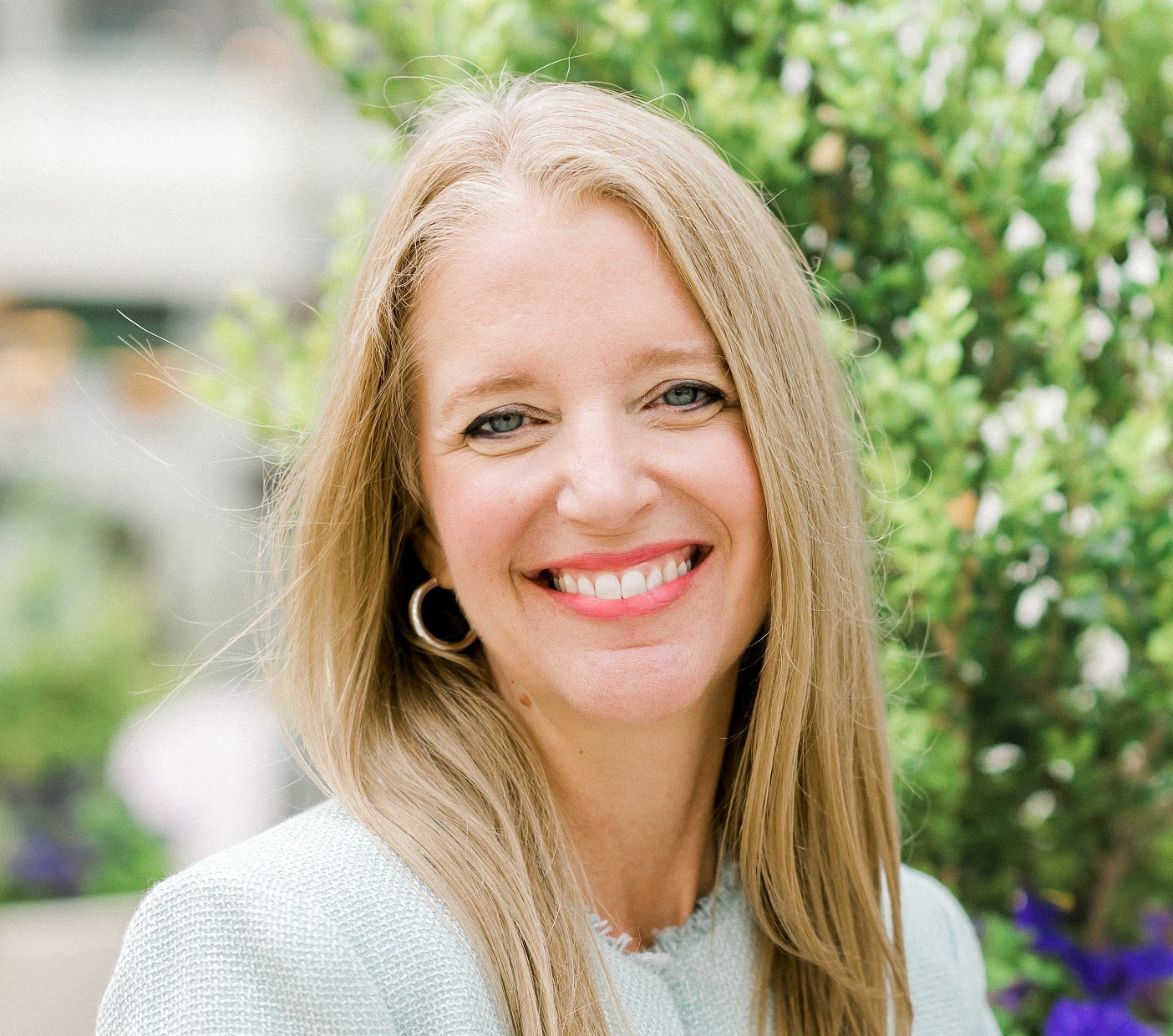
Stephanie Turkel is a registered dietitian nutritionist based in Texas. She has 30 plus years of experience in the nutrition field. She now takes her gained knowledge and shares it with you to explain science articles into easy-to-understand information.

Grace Rivers, RDN, CDCES
Grace is a registered dietitian nutritionist residing in Texas. She has over 30 years of experience in nutrition. Grace loves translating science articles into easy-to-understand information for you.