
Grace turned 65 this year, so her primary doctor ordered a bone density scan. The following is her account of the process.
Preparing for the bone density test
I was given written instructions on how to get ready for this test. You don’t have to do much to prepare for this pain-free, non-invasive test, and thankfully, you don’t have to fast. You also don’t have to avoid deodorants or lotions, as in a mammogram.
I was informed not to take any vitamin or mineral supplement 24 hours before my appointment, so I did not take my daily vitamin D pill that morning. I was able to eat and drink normally; I did not have to fast.
What do you wear for a bone density test?
The instructions were to wear loose, comfortable clothing. I was able to wear my street clothes without any zippers or metal in my back or hip areas. I wore pull-on pants and a pullover shirt. I did not have to change into a gown.
How do you do a bone density test?
Having a bone scan is a simple process that was ordered by my primary physician when I turned 65 years old. I haven’t experienced any fractures, and I haven’t fallen.
On the day of the test, I showed up and lay on the scanner. The machine did the work while I lay on my back under a technician’s guidance.
How long does a bone density scan take?
My instructions said it would take between 15 and 20 minutes. It took about 10-15 minutes, I was seen promptly, and I didn’t feel rushed. The actual screening process when on the scanner was less than 10 minutes.
What does a bone density test show?
Results from a bone density test show how porous your bones are. The results are provided as a T-score. Scores are typically below zero (0), and zero is considered the standard bone density of a healthy young adult.
The optimal healthy score ranges from -1.0 to +1.0 or above. Scores between -2.5 and -1 indicate low bone mass (osteopenia).
Scores of -2.5 or lower are in the osteoporosis category, which indicates very low bone mass. In most cases, the closer your score is to zero, the better. However, your score will most likely be less than zero, and this is normal.
You can find more detailed information in Eating for Better Bones.

My bone density scan results
I received a message in my patient portal from the doctor’s office that showed I had osteopenia and how to treat it. The doctor’s office also left a voicemail explaining that I had osteopenia, which they said is a weakening of the bones.
The report put me in a headspin! How bad was this? Was I nearing osteoporosis? How critical was this? Was I falling apart?
So, I reached out to my doctor’s office asking for the T-score results. They sent them immediately, and now I had a clearer picture of my skeletal condition, and it was much more comforting. I could compare my results with a T-score chart to better understand my condition.
I was advised to start weight-bearing exercises, which they told me could be found online, specifically for the diagnosis of osteopenia. I was also instructed to take 1000 mg of calcium and 2000 IU of vitamin D, and to recheck my bone density in 2 years.
The doctor told me I do not need osteoporosis medication, since it’s just osteopenia.
My T-score results
Both femurs (thigh bones) were in the healthy range. The neck of the right femur was +0.40, and the neck of the left femur was +0.00. The right and left total femurs were +1.90.
My total spine reading was -1.30, which put me in the low bone mass (osteopenia) range. Even though it is barely in the low bone mass range, my goal is to move it into the healthy range.
Conclusion
Preparing for a bone density test is simple and not time-consuming. The non-invasive test provides you with results, so you know the health of your bones.
When you receive the results, I recommend getting the T-scores so you can compare them with the chart showing the standards for bone density.
At first, when I didn’t know the T-score, it was shocking and most concerning. With the results, I was no longer afraid I would fall and break a bone every time I made a step. My spirits were lifted!
I will continue with lifestyle practices, which is in agreement with my doctor’s recommendations and with what I have learned through researching wellness and bone health for Eating for Better Bones. In the next blog, I’ll share that in more detail. Until then, please take a look at our other blogs to learn strategies to keep your bones strong.
If you’ve been diagnosed with osteopenia or osteoporosis, follow the instructions given to you by your healthcare provider.
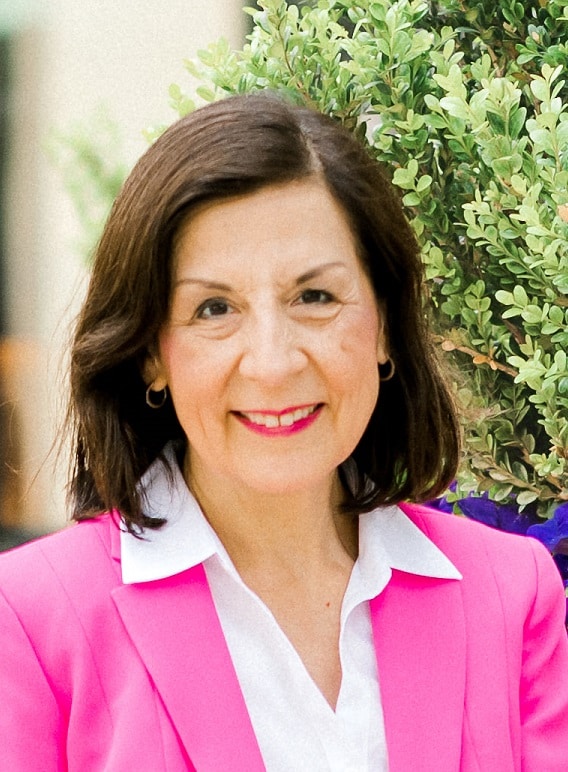
Grace Rivers, RDN, CDCES
Grace is a registered dietitian nutritionist residing in Texas. She has over 30 years of experience in nutrition. Grace loves translating science articles into easy-to-understand information for you.