Keeping your balance is one major player in maintaining your independence as you grow older. The other is your bone health. As women approach menopause,they lose the bone-protective estrogen, estradiol. Weakened bones result and are more likely to break when you fall.
Why balance matters
One in four adults, 65 and older, fall at least once every year. Many falls result in a fracture, because the majority of older women have weakened bones. In fact, seven out of ten women have osteopenia (low bone mass) or osteoporosis.
This is largely because women lose their balance as they age. They also lose estradiol with the onset of menopause that leads to bone mineral loss.
Safety first—before you start
If you haven’t exercised in a while, consult with your physical therapist or physician to be sure you are medically cleared to exercise. Before you get started, make sure you have a safe location. Will you exercise at home, access a virtual class, go to a gym or workout center, or attend a live class?
At home, clear a space without obstacles so you can move freely around you. Lay out a mat or a rug for support, and have a table, chair, or counter nearby when you need something sturdy to hold on to.
Depending on the exercise, you may want to wear supportive shoes or not. If you are practicing yoga or Pilates, you are most supported by your bare feet on a non-slippery mat. If you are using a treadmill, stationary bike, or lifting weights, you will need socks and athletic shoes that will protect you.
Anytime you try something new, start out low and progress slowly, listening to your body.
The exercise should be challenging but not overly intense or vigorous, especially at the beginning.
Simple balance exercises
Standing on one leg, tandem stance, bird dog, and hip bridge are some of the balance-enhancing exercises discussed in Eating for Better Bones: Fighting Osteoporosis.
Remember to breathe normally and don’t hold your breath, engaging your core as you perform these moves. Your core includes muscles in your lower back, pelvis, hips, glutes, diaphragm, obliques, and abs. Your core supports all movements and helps with balance.
Standing on one leg

Holding onto something sturdy that will support you such as a chair or the edge of a table or counter, begin with your feet hip-width apart. Lift one leg and hold for 3 seconds as you can tolerate, then repeat with the other leg.
Maintain alignment by keeping the top of the leg that is supporting you in line with your toes and don’t jut your hip out to the side. You may notice one side is easier to hold than the other. You can progress to raising your legs for a longer time, like 5 seconds, when you are ready.
Tandem stance

Have something to hold on to for this exercise.
Start with your feet hip-width apart and move your feet together and slide your left foot forward, placing the side of your heel beside your right big toe. This is staggered stance. Hold for 3 seconds. How do you feel? You may feel unstable, so continue to hold on.
When you’re ready, slide your left foot forward so that your left heel is in front of your right big toe. Feel the difference and aim to have your weight evenly distributed in both feet as you remain in a tightrope stance and hold for another 3 seconds.
Now, return to the starting position, and complete the same exercise by moving your right foot.
Bird dog

Start on your hands and knees with your hands directly below your shoulders in a table-top position. Slowly extend one leg straight back behind you. Keep a neutral spine, your core engaged and extend your opposite arm forward. Hold for 3 counts and repeat the move on the other side.
Hip bridge

Lie on your back with your palms facing down beside you. Bring your feet toward your buttocks, placing them flat on the mat. Engage your core and press your palms and feet down into the mat and lift your hips to create a straight line from your hips to your shoulders.
Squeeze glutes at the top and hold for 3 counts. Lower yourself down slowly returning to the starting position. Repeat this exercise for 4 additional reps.
Other exercises to incorporate
Pilates
Core strengthening movements found in Pilates are crucial to help you maintain balance as you grow older. Pilates works your entire body improving your strength and flexibility.
The name Pilates comes from its founder, Joseph H. Pilates, who originally named it Contrology. He suffered illness in his youth and aimed to correct health through the acquisition of physical strength through a series of purposeful movements.
Pilates can be performed on a mat or using a reformer. Either can be done with or without props.
Yoga
Yoga is a low impact exercise that focuses on the breath as you move to improve flexibility, balance, and strength that we elaborate more on in our book, Advancing to a Healthier You! A Woman’s Guide to Nutrition & Wellness.
Another plus is that it can be meditative and help with relaxation and stress management. There are several different types of yoga that you can try. If you don’t care for one type, you may like another.
Tai Chi
Tai Chi is a purposeful and slow-moving exercise that promotes balance and lowers the risk of falling more than stretching alone. It also has been shown to reduce the fear of falling giving older women increased confidence and independence.
How to build a routine
The Physical Activity Guidelines for Americans tell us that adults should perform 150 minutes of moderate cardiorespiratory (aerobic) exercise each week combined with at least 2 days of muscle-strengthening activities each week.
Core and balance exercises fall into the muscle-strengthening category. If you are just beginning to incorporate physical activity into your routine, you do not need to start out at 150 minutes. Begin low and progress slowly to work up to this recommendation.
Are you curious how often you should practice balance exercises? You can begin by performing a balance move two days a week for 10 minutes. Pick a day that works and a time that you can set aside. This can be hard since it’s not part of your routine. You may like to work on a new balance move while watching TV.
Did any of these exercises resonate with you? Is there one you would like to start with? Once you are ready, you can add another type of activity such as cardiorespiratory exercise like walking for 5 to 10 minutes.
Track your progress and celebrate small wins. Advancing to a Healthier You! A Woman’s Guide to Nutrition & Wellness, gives you the tools for success on setting and achieving goals. Consider rewarding yourself once you have reached a goal by purchasing a new pair of athletic shoes or buying a new dress.
When to seek help
The following are some signs you may need professional guidance.
- Pain
- Stiffness
- Dizziness
- Frequent stumbles
- Decreased strength
- Limited range of motion
These signs can make you feel like you cannot move like you used to, maybe you are too tired to stand to cook a meal, or perhaps you notice you have a harder time getting back up after squatting to feed your pet.
These are not normal parts of growing older; they are due to bone, muscle, and strength loss. Physical therapists, fall prevention programs, and your personal physician can guide you on keeping your independence, especially in your home for day-to-day activities.
Conclusion
Balance is a major player in keeping your bones strong for fracture prevention. Your core strength contributes to better balance and can help you lower your risk of falling. Practicing simple balance exercises can be your ticket to keeping your independence so that you can go and do all the things you like.
For guidance in fueling your bone-health exercises, grab our Meal Prep for Strong Bones for free.
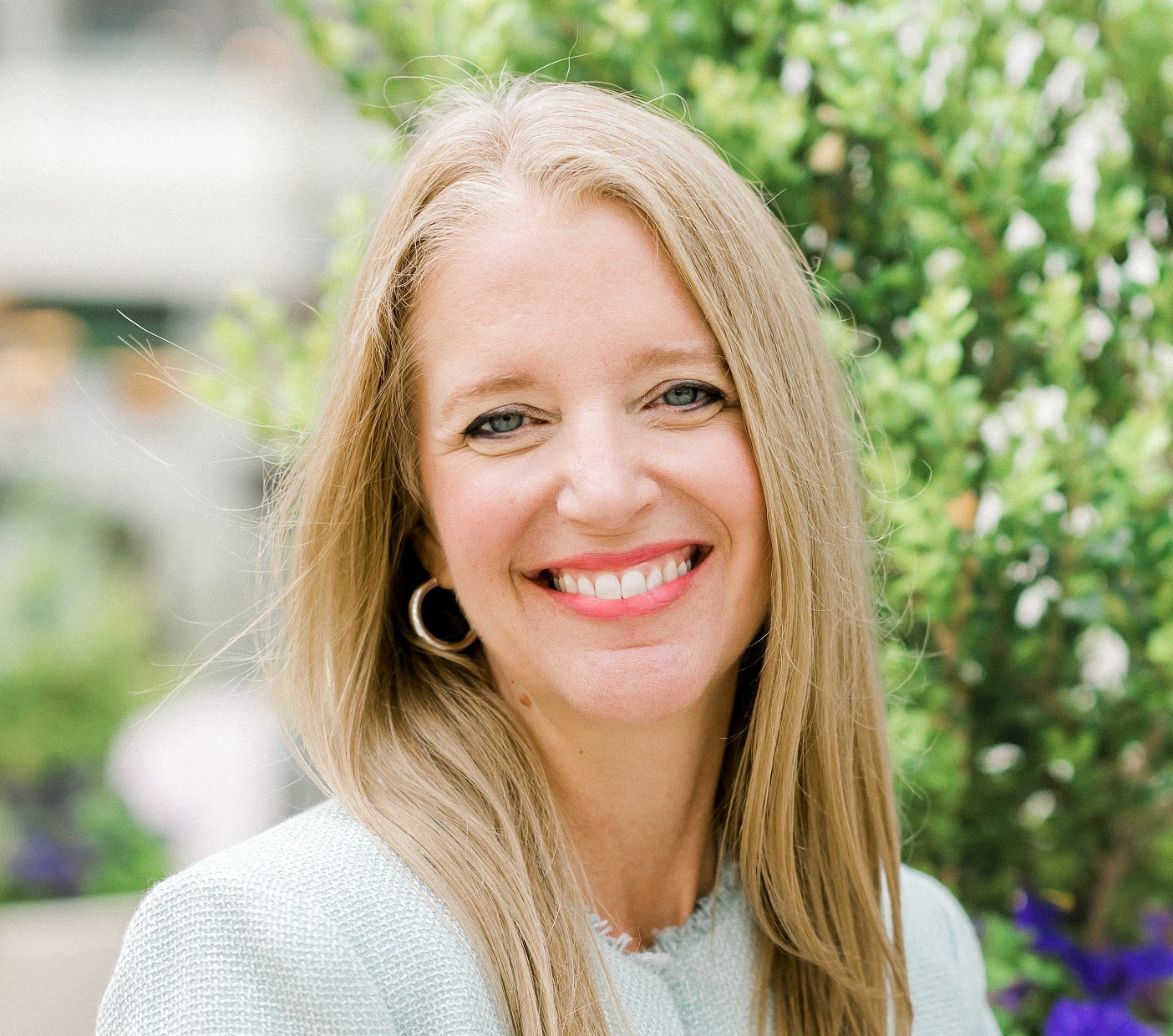
Stephanie Turkel is a registered dietitian nutritionist based in Texas. She has 30 plus years of experience in the nutrition field. She now takes her gained knowledge and shares it with you to explain science articles into easy-to-understand information.
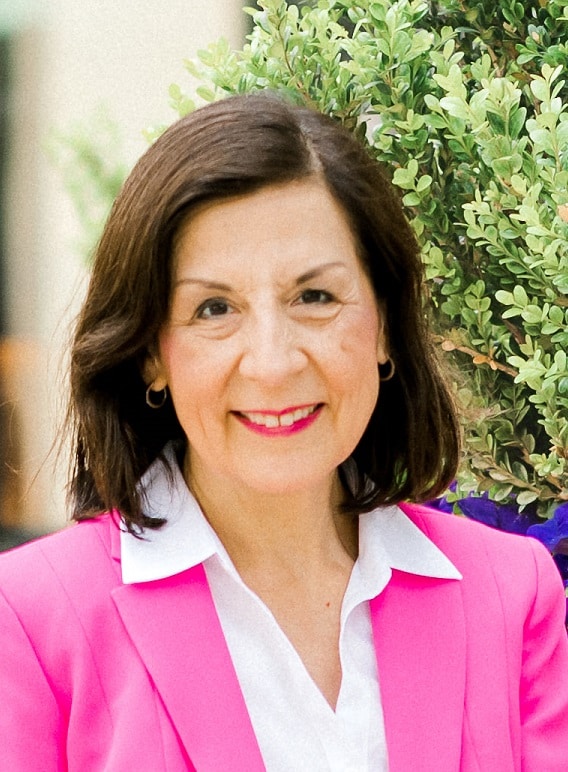
Grace Rivers, RDN, CDCES
Grace is a registered dietitian nutritionist residing in Texas. She has over 30 years of experience in nutrition. Grace loves translating science articles into easy-to-understand information for you.