
Menopause, which usually occurs at the age of 51 years, changes many things for women. Often forgotten is the effect it has on your skeletal health. Even before menopause occurs, skeletal health begins to decline because bone-protective estradiol has shifted to a less powerful form of estrogen called estrone.
Passing through menopause can lead to progressively weaker bones. In fact, 1-5% of bone density is lost annually during the first several years following menopause.
During and after menopause, bones break down faster than they are rebuilt, making them weaker. Calcium needs also increase, because the decrease in estrogen results in less calcium being absorbed from the foods you eat.
The bones most at risk of breaking are the wrist, the hip (top of the thigh bone), and the spine. Always consult your health care provider before beginning any exercise.
Simple steps you can do to combat bone loss
What you eat and how you move impacts skeletal health.
Eat foods rich in calcium, magnesium, and potassium. Some foods that contain all three nutrients are
- Soymilk
- Oranges
- Broccoli
- Almonds
- Pinto beans
- Blackberries
Eat foods rich in protein
Animal sources
- Fish
- Beef
- Chicken
Plant sources
- Tofu
- Beans
- Nuts and seeds
Acquire vitamin D
- Sunshine, aim for 5 (no more than 30) minutes of daily sun exposure
- Fatty fish
- Egg yolks
- Fortified milk
- UV treated mushrooms
Train your bones with resistance
- Squats
- Pushups
- Bicep curls with dumbbells (or canned goods)
Strengthen your core for better balance
- Bird dog
- Tandem stance
- Standing on one leg
Add weight-bearing cardio to build your bones
- Walking
- Dancing
- Stair climbing
Conclusion
If these are not a part of your daily routine, simple steps can be incorporated into your lifestyle that can make a difference in your skeletal health and your independence. Always consult your health care provider before beginning an exercise program.
To dive deeper into how bones decline and learn the available lifestyle and medical steps you can take in keeping your bones strong, check out our newly released book, Eating for Better Bones, available on Amazon.
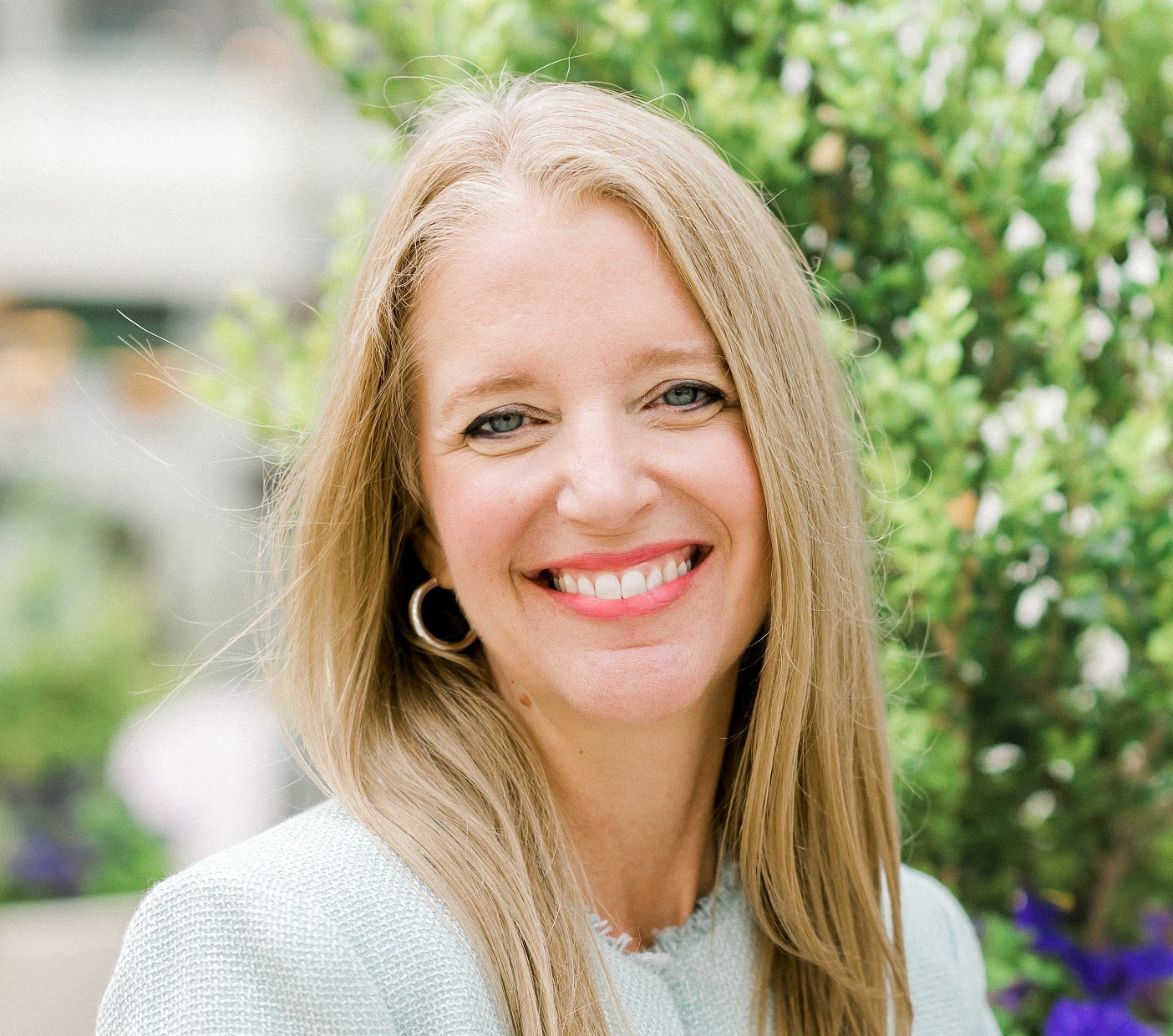
Stephanie Turkel is a registered dietitian nutritionist based in Texas. She has 30 plus years of experience in the nutrition field. She now takes her gained knowledge and shares it with you to explain science articles into easy-to-understand information.
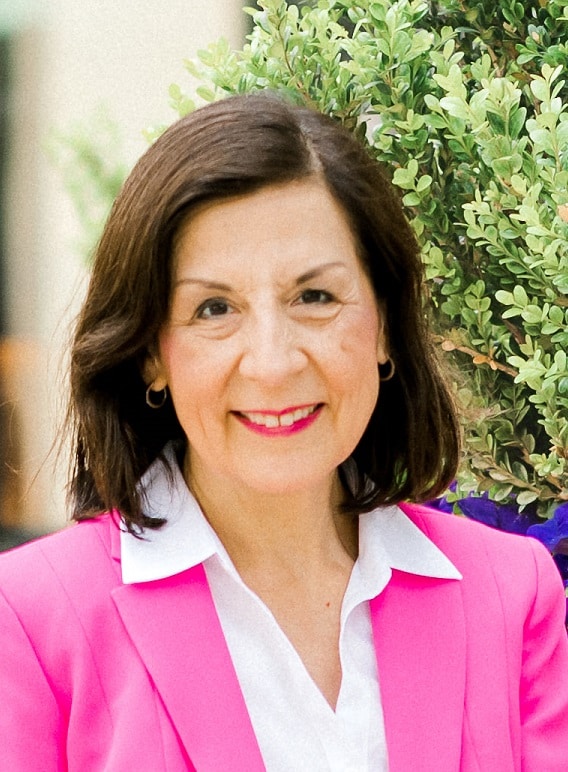
Grace Rivers, RDN, CDCES
Grace is a registered dietitian nutritionist residing in Texas. She has over 30 years of experience in nutrition. Grace loves translating science articles into easy-to-understand information for you.